Professional Tree Removal Services: Maintaining Safety and Beauty in Your Yard
Tree removal solutions are an essential part of keeping a yard safe and visually attractive. Overgrown, damaged, or diseased trees can pose significant risks to both property and individuals. Moreover, carefully planned tree removal can greatly elevate the overall beauty of an outdoor space. Knowing when and why these services are necessary empowers homeowners to make well-informed choices. What considerations should homeowners evaluate prior to moving forward with tree removal?
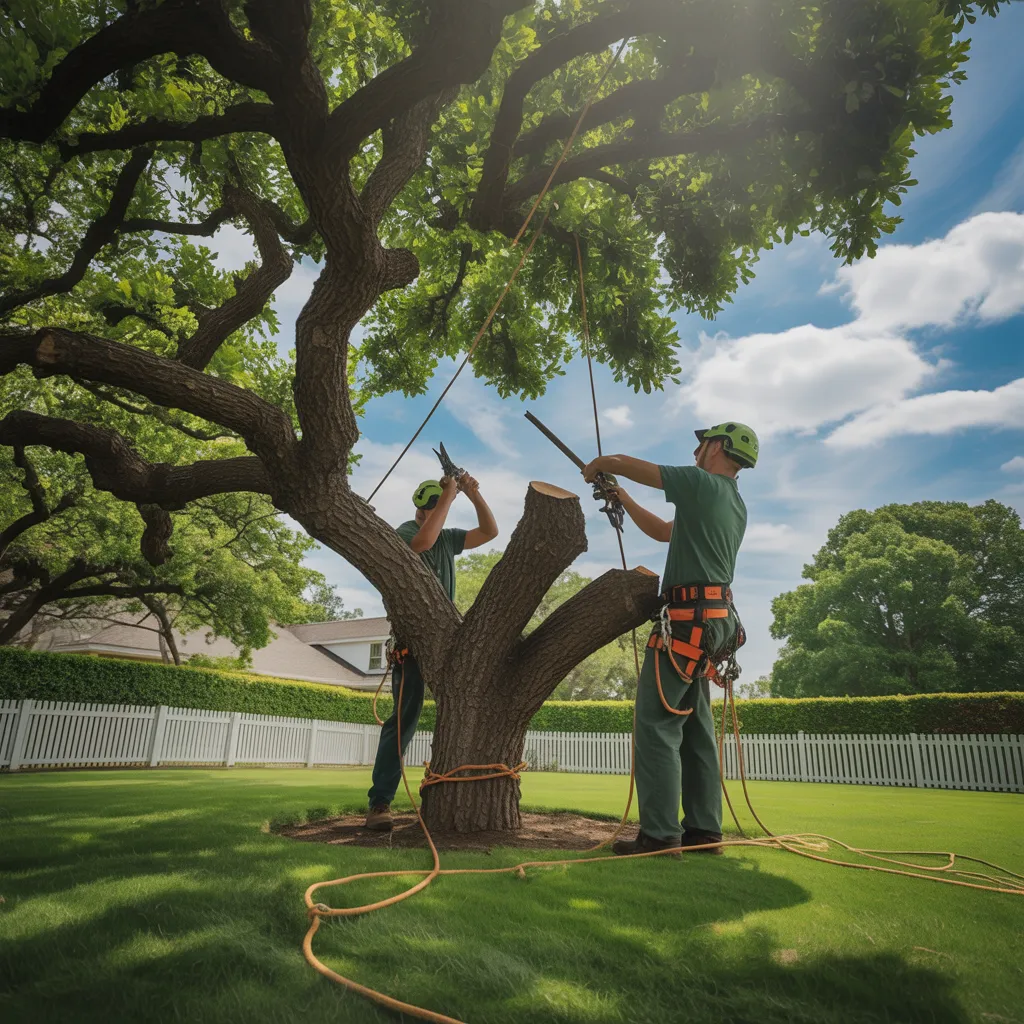
Knowing When Tree Removal Is Needed
Moreover, environmental conditions, such as root encroachment on foundations or sidewalks, can necessitate removal. In addition, the broader aesthetic and space-related concerns in a yard may affect the final decision. By considering these elements, property managers can arrive at educated decisions regarding tree removal, guaranteeing the safety and aesthetic quality of their property.
The Importance of Tree Removal for Safety
When assessing the safety of a property, removing trees often becomes critical, particularly when trees pose risks to nearby structures or individuals. Deteriorating or overgrown trees can create substantial risks, such as falling branches or entire trees collapsing during storms. These occurrences can result in extensive damage to residences, vehicles, and exterior spaces, as well as pose a risk to the safety of inhabitants and visitors.
Moreover, trees plagued by pests or diseases may undermine their structural integrity, heightening the chance of sudden failures. In metropolitan areas, proximity to power lines further amplifies the necessity of removal, as falling branches can interrupt electrical services and generate safety hazards.
How Professional Tree Removal Enhances Landscape Aesthetics
Skilled tree removal greatly boosts outdoor aesthetic quality by enhancing the visual harmony of exterior environments. By carefully eliminating oversized or poorly positioned trees, homeowners can increase sunlight exposure, fostering stronger growth in adjacent plant life. Moreover, a properly managed outdoor space frequently results in increased property worth, rendering professional tree removal an excellent long-term investment.
Better Visual Equilibrium
A thoughtfully managed landscape frequently depends on the precise balance of its elements, and tree removal can play a pivotal role in achieving this harmony. When certain trees become overgrown or misaligned with the overall design, they can interrupt the aesthetic continuity of the yard. Skilled tree removal allows homeowners to reconfigure views and develop a more unified visual appeal. This process can bring greater attention to existing features, such as flower beds or hardscaping, allowing them to shine without competition from unruly foliage. Furthermore, the removal of damaged or lifeless trees can prevent visual clutter, contributing to a more polished appearance. Ultimately, purposeful tree removal fosters a feeling of structure, elevating the attractiveness and charm of the overall landscape.
Heightened Sun Exposure
Even though trees supply shade and protection, an overabundance of canopy coverage frequently results in reduced sunlight penetration across a landscape. Skilled tree removal can substantially boost the attractiveness of outdoor environments by enabling more sunlight to filter through. Increased sunlight fosters healthier grass and plants, promoting vibrant colors and growth. Moreover, it can cultivate a more appealing setting, causing outdoor spaces to appear more expansive and accessible. Such an improvement can further emphasize the architectural details of the property and refine the overall aesthetic balance of the outdoor space. Through the careful removal of specific trees, homeowners can attain a balanced combination of greenery and natural light, elevating the pleasure of their outdoor living space.
Elevated Property Value
Effective tree removal can greatly enhance property value by improving landscape aesthetics. Once dead, diseased, or overcrowded trees have been cleared, homeowners can develop a more open and appealing outdoor area. This not only allows for better sunlight penetration but also showcases the remaining flora, making the yard appear more manicured and attractive. Professional tree removal services guarantee that trees are removed safely and efficiently, preventing damage to surrounding structures. Additionally, a well-maintained landscape can boost curb appeal, making properties more enticing to potential buyers. By choosing professional tree removal services, homeowners can dramatically improve the aesthetic quality of their outdoor areas, resulting in a notable rise in property value and market appeal.
What to Consider When Choosing a Tree Removal Service
When hiring a tree removal service, what factors should one consider to guarantee a reliable and effective process? First, check the company's certifications, including proper insurance and valid licensing. This validates the service's authenticity and safeguards against unforeseen liabilities. Next, consider the experience and expertise of the crew. A proficient team can thoroughly analyze the conditions and carry out the removal while protecting adjacent properties.
In addition, client reviews and testimonials shed light on the reliability and quality of the company's work. A trustworthy company should also provide clear and detailed estimates and a well-defined process, outlining potential risks and strategies. Finally, ask about the safety protocols and equipment employed during removal. Prioritizing these qualities can contribute to a more efficient process, ensuring the tree is taken down effectively while preserving safety standards and professionalism throughout.
Post-Tree Removal Yard Maintenance Tips
Post-tree removal, homeowners ought to concentrate on rejuvenating the outdoor space to restore its aesthetic appeal and health. The primary step includes evaluating the area for any remaining roots or debris, which can hinder new plant growth. Eliminating leftover stumps or wood debris is critical to avoiding pest infestations and making room for new vegetation.
Additionally, property owners should evaluate the health of their soil. Testing the soil can identify nutrient deficiencies, allowing for suitable soil amendments to support new plant life. Replanting with native or suitable species can assist in preserving the ecological balance and improve the aesthetic appeal of the yard. Mulching around new plants helps retain soil moisture while keeping weeds at bay.
Consistent watering and checking for pests is necessary during the early growth stage. In addition, developing a consistent upkeep routine, including periodic pruning and fertilization, will encourage a vibrant landscape. By implementing these recommendations, property owners can ensure their lawns flourish after tree removal.
Debunking Myths About Tree Removal Services
Within the realm of tree removal services, various misunderstandings often surface that tend to confuse property owners. Such myths commonly disregard key elements such as safety risks and the environmental impact of tree removal. By clarifying these frequent misunderstandings, a more accurate understanding of professional tree removal services can develop.
Common Misconceptions Explained
Misunderstandings regarding tree removal services frequently obscure public awareness, causing homeowners to avoid seeking expert guidance. One widely held belief is that all tree removal is dangerous and should be attempted only by trained professionals. While it's true that safety is paramount, many trees can be removed with proper techniques and equipment. Another misconception is that removing a tree automatically boosts property value; however, this is not always the case and depends on various factors. Furthermore, many assume that tree removal leaves behind a desolate landscape, however, experienced arborists can elevate the visual appeal of a yard through strategic planning. In the end, dispelling these misconceptions empowers homeowners to pursue tree removal services with confidence and clarity.
Safety Concerns Neglected
Despite the widespread assumption that tree removal is a simple process, many homeowners underestimate the safety risks involved. The process is far more complex than cutting down a tree; it demands professional knowledge to handle potential hazards such as falling branches, electrical lines, and unstable ground. Those without proper training often fail to account for these dangers, resulting in injuries or property damage. Additionally, the use of heavy equipment necessitates specific knowledge to handle properly. Misconceptions remain common that hiring professionals is avoidable, yet experienced tree removal services are prepared with the right tools and safety protocols to minimize hazards. Dismissing these safety concerns can have severe outcomes, making it imperative for homeowners to appreciate the complexities of tree removal before trying it on their own.
Myths About Environmental Impact
While many believe that tree removal is always damaging to the environment, such a belief tends to ignore critical nuances. In reality, thoughtful tree removal can support environmental harmony. As an example, removing dead or diseased trees prevents the spread of pests and diseases, safeguarding surrounding flora. In addition, carefully planned tree removal can improve light penetration for thriving vegetation and strengthen soil conditions by limiting the rivalry for essential nutrients. Beyond this, once trees are cleared, responsible measures including replanting or using native species in landscape design can result in greater biodiversity. Misconceptions claiming that tree removal is always harmful fail to acknowledge the advantages of deliberate action, proving that tree removal, when handled responsibly, can make a constructive environmental impact. Grasping these distinctions is vital for making well-informed choices about tree management.
Common Questions and Answers
What Is the Typical Cost of Tree Removal?
The typical cost of tree removal ranges anywhere from $300 up to $2,000, based on factors including tree size, location, and complexity of the job. Extra charges may apply for stump removal or challenging access conditions.
Is Tree Removal Covered by Homeowners Insurance?
The removal of trees may be covered by home insurance coverage, based on specific policy terms and the circumstances surrounding the removal. It is important for homeowners to thoroughly review their coverage and reach out to their insurance company for a better understanding.
How Much Time Does the Tree Removal Process Require?
The tree removal process generally requires a jump in few hours to a full day, depending on the tree's complexity, size, and specific location. Elements such as the availability of crew and equipment can also affect the length of the job.
Can I Take Down a Tree Myself?
Taking down a tree on your own is feasible, but it requires significant knowledge, skill, and safety precautions. Numerous elements, such as the tree's size and placement, affect the choice. Professional assistance is often recommended to guarantee safety and proper technique.
What Permits Are Required for Tree Removal?
Local ordinances typically govern the necessary permits for removing trees. Generally, homeowners must consult city guidelines, as permits could be needed for particular tree varieties, measurements, or if the tree is located in designated protected zones.